
Early Detection & Treatment
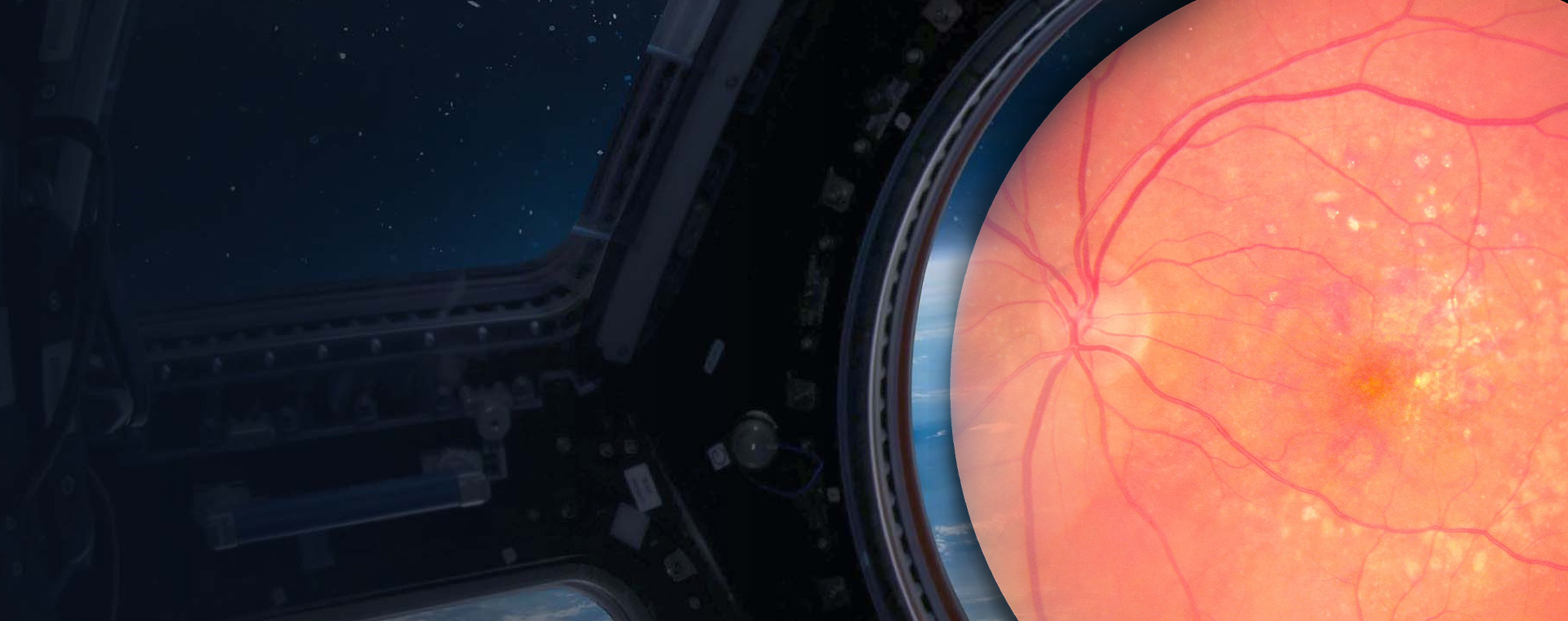
Lattice degeneration is a common condition that affects the retina. It occurs when the peripheral retina becomes thin and develops a lattice-like appearance, with small white spots and lines we can see during the examination.
Lattice degeneration does not exhibit symptoms but can lead to complications such as retinal tears, detachments, and blindness in extreme cases if left untreated.
We want to help preserve your vision through early detection and treatment—contact us to get started today.
Contact UsWhat Causes Lattice Degeneration?
The causes of lattice degeneration are not fully understood, but it is believed to be associated with genetic factors and certain eye diseases such as myopia. Early detection is crucial in preventing more serious complications.
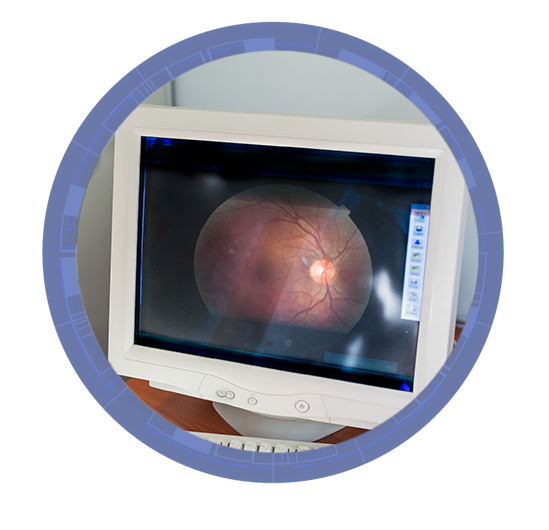
To detect and diagnose this common condition, we use Optos wide-angle imaging, which provides a clear and detailed view of the retina.
Signs & Symptoms of Lattice Degeneration
While lattice degeneration does not have any specific symptoms, the retina becomes thinner and more susceptible to tears, breaks, or holes.
Symptoms of retinal tears and detachments can include:
- New floaters
- Flashing lights
- A shadow or gray curtain blocking a part of your vision
- Blurry vision or changes in vision
If you experience any of these symptoms, it is crucial to seek medical attention right away.
Diagnosing & Treating Lattice Degeneration
At Global Retina Institute, our team uses innovative technologies to detect and diagnose lattice degeneration, such as Optos wide-angle imaging. This technology provides a clear and detailed view of the retina, helping us identify any signs of lattice degeneration or other conditions.
Early detection of lattice degeneration can help prevent further damage, such as retinal tears, breaks, and detachment. Our specialists can take proactive steps to prevent these complications, including using Navilas laser therapy.
Optos Wide-Angle Imaging
Optos wide-angle imaging is used by our team to detect and diagnose lattice degeneration.
Unlike traditional eye exams that only allow a limited view of the retina, Optos wide-angle imaging captures up to 200 degrees of the retina’s surface in a single image. This allows our specialists to identify abnormalities or potential issues that may not be visible with traditional methods.
Navilas Laser
Navilas laser therapy is a laser treatment option that allows for targeted and effective treatment of lattice degeneration. The Navilas system uses advanced computer-assisted technology to create a highly precise laser beam that can help seal retinal tears or holes, preventing further damage and reducing the risk of retinal detachment.
One of the main advantages of Navilas laser therapy is its precision. The laser can target specific areas of the retina with extreme accuracy, minimizing any potential damage to the surrounding tissue.
Guided & Effective Treatment
If you are experiencing symptoms of lattice degeneration or have been diagnosed with this condition, do not wait to seek treatment.
Contact Global Retina Institute today to schedule a consultation and take the first step towards preserving your vision and improving your quality of life.
Contact UsOur Services


Visit Our Location
Where to Find Us
You can find us on East Cactus Road off North Paradise Village Pkwy E., right across from Arizona Dermatology.
Accessible Parking
Parking is available at the side of the building, and we also offer ground-floor covered parking spaces.
Our Address
- 4835 E. Cactus Rd., Ste. 105
- Scottsdale, AZ 85254
Contact Information
- Phone: 480-534-8080
- Fax: 480-534-8081
- Email: [email protected]
Hours of Operation
- Monday: 8:00 AM – 5:00 PM
- Tuesday: 8:00 AM – 5:00 PM
- Wednesday: 9:00 AM – 5:00 PM
- Thursday: 8:00 AM – 5:00 PM
- Friday: 8:00 AM – 12:00 PM
- Saturday: Emergency Only
- Sunday: Emergency Only
Affiliated Organizations









Our Google Reviews


About Us
Conditions We Treat
Specialty Treatment
Laser Floater Treatment
Ophthalmology Training
Payment Options

Global Retina Institute
- 4835 E. Cactus Rd., Ste. 105
- Scottsdale, AZ 85254
- 480-534-8080
- 480-534-8081
- [email protected]